However clean the mains water reaching a building may be, the quality of the water at the tap is ultimately determined by the water tank. Stored water is exposed to sediment, biofilm and, in tanks that let light in, algae. That is why regular water tank cleaning is a core part of water safety in every building, from homes and hospitals to hotels and industrial plants. In this guide we explain why cleaning matters, how to plan it and how the tank material affects maintenance.
Why should a water tank be cleaned regularly?
- Sediment: Suspended solids in the supply water settle on the tank floor over time.
- Biofilm: A thin layer of microorganisms can form on surfaces in contact with standing water.
- Algae: In tanks that transmit light, sunlight accelerates algae growth.
- Corrosion products: In metal tanks, rust and coating damage can affect the colour and taste of the water.
- Inspection opportunity: Cleaning is also the best time to check for leaks, seals and accessories.
How often should a water tank be cleaned?
There is no single interval that suits every tank. Frequency should be set according to the incoming water quality, usage intensity, tank location and local regulations. In practice, many building managers and operators include tank cleaning in their annual maintenance plan. Additional cleaning is needed:
- before a newly installed tank is first put into service,
- when a tank that has been idle for a long time is recommissioned,
- when turbidity appears after a network failure or supply interruption,
- when a change in odour, colour or taste is noticed.
Step-by-step water tank cleaning
- Planning: Inform users in advance and arrange a temporary supply if needed.
- Safety: The inside of a tank is a confined space. Work must be carried out by trained staff with adequate ventilation and personal protective equipment; never enter a tank alone.
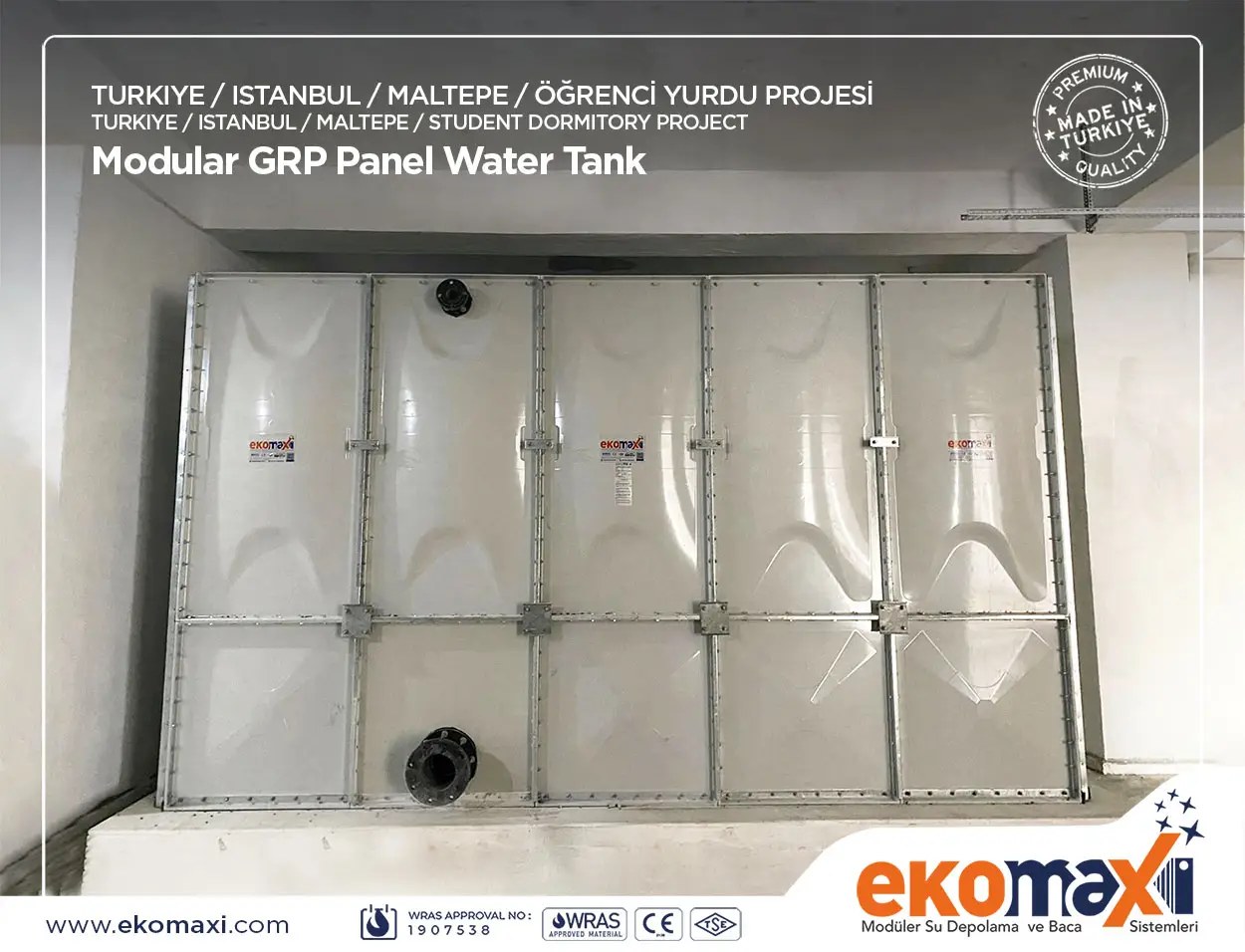
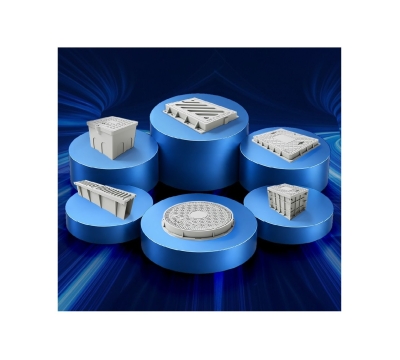
- Draining: Empty the tank completely through the drain valve. In Ekomaxi GRP water tanks, the concave drain panel in the base allows the tank to be fully emptied when required.
- Mechanical cleaning: Remove sediment from the floor and wash surfaces with a soft brush and clean water. Avoid wire brushes and abrasives that could scratch the surface.
- Disinfection: Use only disinfectants approved by the competent authorities for surfaces in contact with drinking water, following the manufacturer's dosage and contact time.
- Rinsing: Rinse the tank with clean water until no disinfectant residue remains, then drain.
- Inspection: Check seals, fasteners, the manhole cover, vent and overflow insect screens and the level indicator.
- Refilling and testing: After refilling, have the water analysed by an accredited laboratory.
- Records: Record the cleaning date, the work carried out and the test results.
Common mistakes
- Cleaning with detergents or chemicals of unknown dosage,
- insufficient rinsing,
- neglecting the insect screens on vent and overflow pipes,
- skipping water analysis and record keeping after cleaning.
Protecting water quality between cleanings
How the tank is operated between cleanings matters as much as the cleaning itself. To protect water quality:
- Keep the manhole cover closed and locked to keep out dust, insects and foreign matter and prevent unauthorised access.
- Keep vents open and protected: insect screens on vent and overflow pipe outlets must be intact.
- Keep the tank area clean: a dry, tidy and accessible area makes inspection and maintenance easier.
- Size the tank to demand: in an oversized tank, water stands longer than necessary. Calculating volume according to daily consumption and reserve needs helps keep the water regularly renewed.
- Carry out regular visual checks: inspect the level indicator, connections and external surfaces periodically, and act immediately if a leak or anything unusual is noticed.
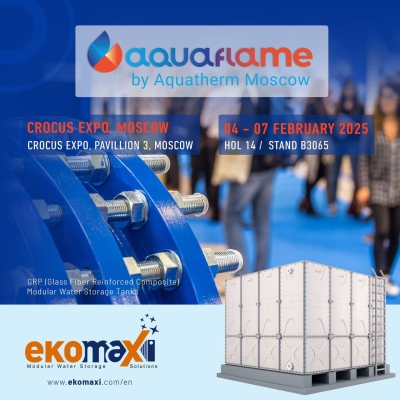
Because modular GRP tanks can be sized in 0.5 m steps, capacity can be planned closer to actual demand, and the right volume can be achieved even in confined spaces.
How does the tank material affect cleaning?
The tank material largely determines maintenance needs. Cracks, plaster and waterproofing problems that can develop in concrete tanks may require repairs after cleaning, while corrosion and coating checks are an integral part of maintaining metal tanks.
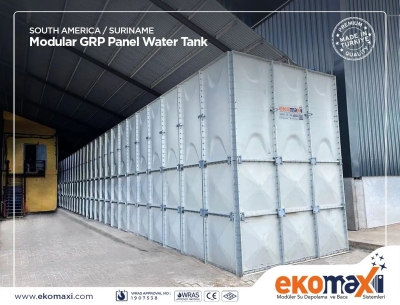
GRP water tank systems stand out with features that simplify maintenance:
- No UV transmission: prevents algae growth inside the tank.
- Corrosion resistant: no painting or anti-corrosion maintenance required.
- Hygienic: hot-pressed SMC panels do not exchange substances with the water, so its taste stays the same.
- Certified: Ekomaxi GRP water tanks are WRAS approved and manufactured in accordance with EN 13280:2001; their suitability for food contact is reported through WRAS and TSE tests.
- Modular: with the twin-compartment (partitioned) option, cleaning can be planned so that one compartment stays in service.
Conclusion
Regular cleaning carried out the right way protects the safety of a building's water, and a tank built from the right material makes that maintenance shorter, easier and more economical. To get support from our technical team on the right tank type and capacity for your project, contact us.